
A common misunderstanding in electronics development is assuming that passing validation means the system is reliable throughout its lifetime. Most validation tests represent a specific condition at a specific point in time. Functional testing confirms whether a product performs according to specification at that moment, but it can’t predict what happens after months of operation, thermal cycling, mechanical stress, or real-world environmental exposure in the field.
This distinction becomes critical for complex electronic systems destined for defence, aerospace and security applications. A circuit board might achieve excellent electrical performance in laboratory testing. But actual operational conditions often include stresses testing didn’t replicate eg: sustained temperature extremes, vibration, electromagnetic interference, rapid thermal cycling, or long-term humidity exposure.
Early defect detection is hugely important, components or subassemblies identified as high-risk can be tested early in development and save significant time and resources later. A well-tested system gives customers confidence that it will operate predictably and reliably for its intended lifecycle.
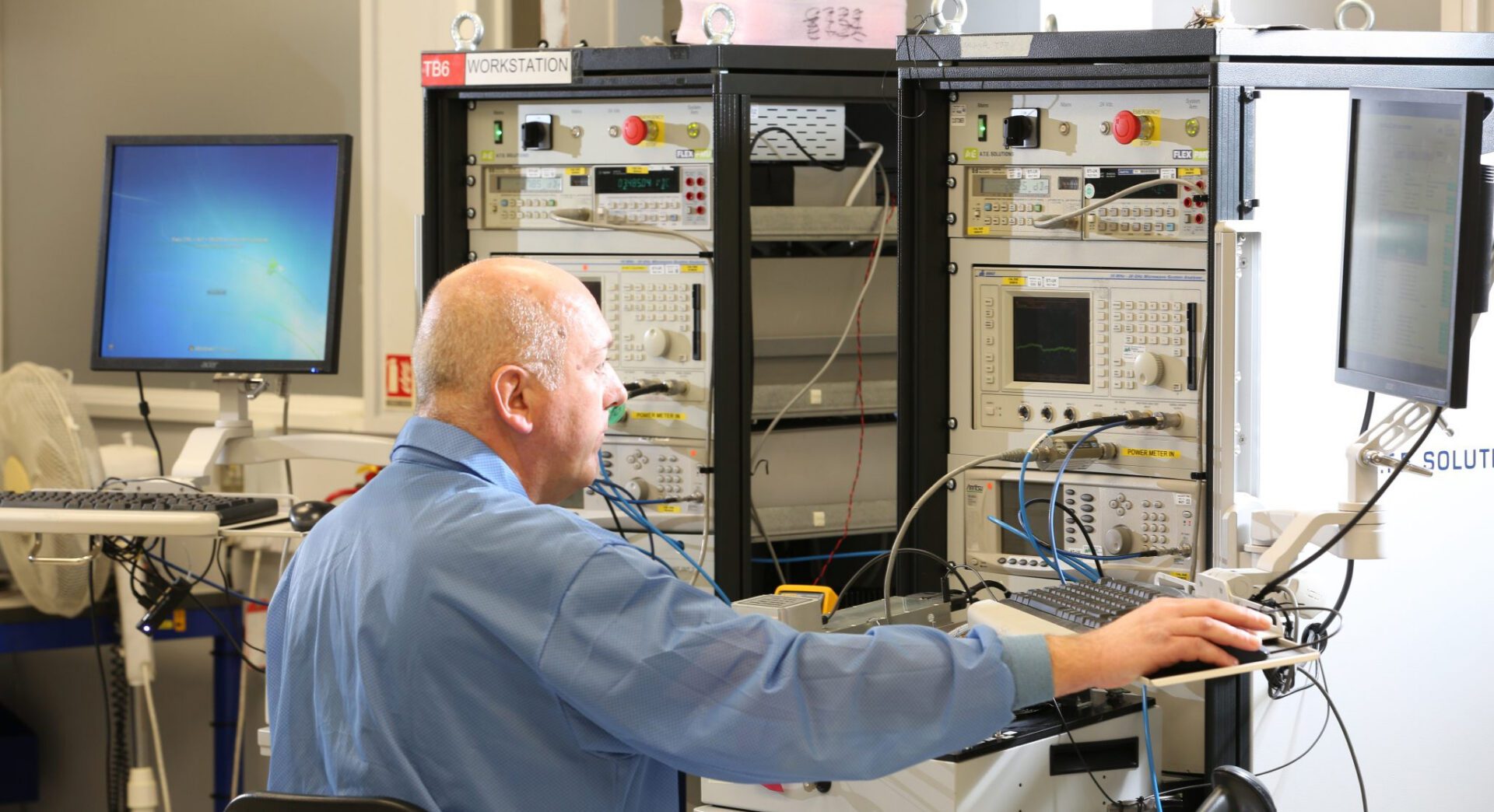
STI’s validation approach spans the complete lifecycle. We review and strengthen design data before manufacture, identify risks early, run electrical, functional, RF and environmental testing to customer standards. We collect field performance data from systems in service and feed that understanding back into design assumptions for the next generation.
The manufacturers gaining competitive advantage now are the ones building lifecycle thinking into design from the outset, running rigorous environmental testing under conditions the system will actually encounter, and backing that with field data from operational systems.