
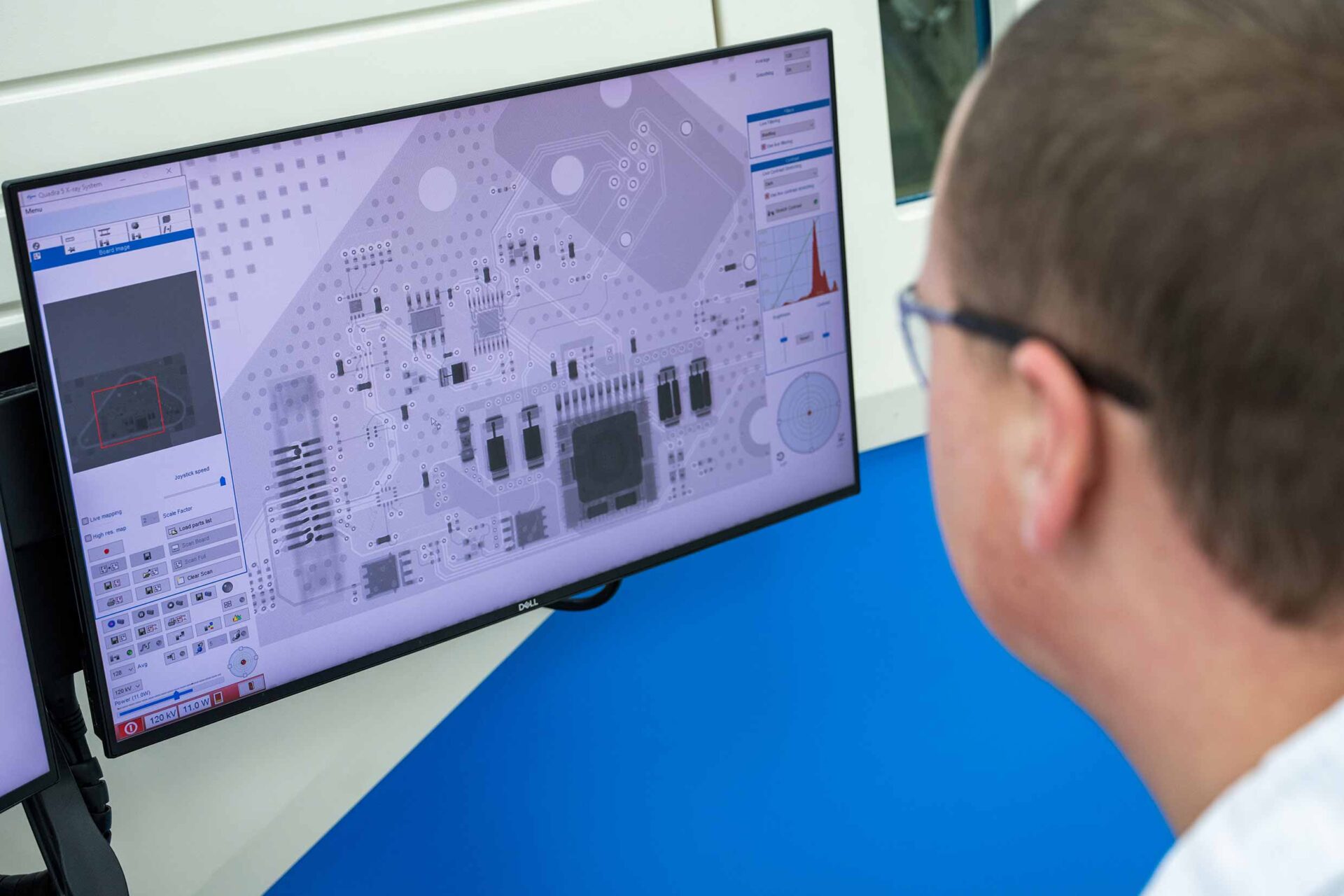
Over 80% of manufacturing leaders expect production volumes to increase, whilst labour turnover among frontline employees remains high. The paradox defines operations leadership in 2026 – the market demand is strong but keeping teams stable and capable is increasingly difficult.
Manufacturing will continue to experience significant labour shortages through 2030, particularly across technical roles. Operations leadership must optimise performance across multiple lines and sites. For electronics manufacturers, this tension is acute, building complex systems requires trained technicians who understand PCB assembly, RF systems, wiring and system integration. This means that those people are hard to find and harder to keep.
The strongest operations leaders operate with continuous monitoring, predictive maintenance and automated quality control to reduce downtime. Sites that succeed will operate with continuous monitoring, predictive maintenance, and automated quality control, reducing downtime and increasing throughput. But technology alone doesn’t work. Resilience, agility, and operational discipline, will define the next era of manufacturing success. For defence and aerospace programmes, this matters more than most. Customers depend on systems that work reliably and deliver on schedule and operations leadership carries that responsibility.
Top-performing manufacturers must strategically prioritise staffing investments and maintain an up-to-date talent strategy to engage employees. Building capability internally, mentoring emerging technicians, and creating environments where people see long-term career prospects – that’s how specialist manufacturers like STI navigate the skills shortage.